Free Christmas Colouring Pack to download! Click on the button below to download a free PDF of Christmas card designs and gift labels for you to colour and give to people this Christmas!
In these trying times, colouring in for relaxation can be good for adults and children! Here at Channels & Choices we have produced a FREE downloadable colouring page called “We’ll Get Through This”. You can download and print this design, which has a “staying at home” theme for kids, and colour it in! For all the children in our care (and the carers and staff!) we’d love to see your colouring. Share your pictures with us on facebook Click on the button below to download yours!
Colouring for autism awareness!! Here’s another colouring download for autism awareness. Download and print and colour yours. Click on the button below to download.
One for your windows! Colour this free download to say thank you to postmen, bin men, delivery drivers, milkmen or anyone who is still working and keeping us going! Click on the button below to download and print yours!
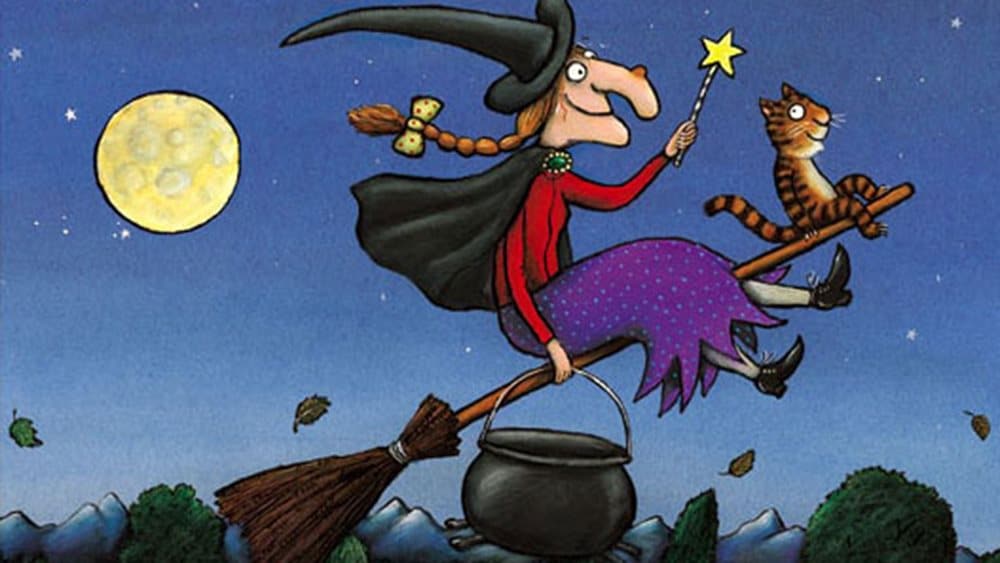
Fans of Julia Donaldson’s Room on the Broom can now download some wonderful colouring sheets and activities including party invitations, join the dots and spot the difference.
On Friday 8th May we celebrate VE Day 75 – the 75th anniversary of Victory In Europe in 1945. Due to the COVID-19 pandemic, many of the celebrations won’t be able to go ahead, but that doesn’t mean you can’t do things from home! Start off by colouring our exclusive VE Day 75 colouring page for your window!
Fans of Julia Donaldson’s The Snail and the Whale will love these activity sheets including a seaside nature trail, make your own whale, colouring and more.
Fostering is caring for a child or children who cannot stay with their own family. A child will be placed with a foster family whilst their own family overcome problems, during care proceedings, or until an adoptive family is found.
Foster families are trained and knowledgeable in ensuring that the needs of each individual child are met, and they provide them with a stable, caring environment during their time in foster care.
Why are children placed in foster care?
Every case is individual, but these are the most common reasons children come into foster care:
Parental illness/hospital stay
Loss of a parent
Family emergency
Neglect
Domestic abuse/violence
Care proceedings
What types of fostering are there?
The reason a child needs fostering generally determines the type of support they’ll need. All children need a stable, caring environment to stay during their foster placement – mainstream fostering. Some children may need the additional support which can be provided by a specialist framework of professionals – we call this therapeutic fostering. So let’s discuss the difference:
Mainstream fostering
Mainstream fostering is the most common form of fostering which gives a child or young person a safe place to stay, perhaps for a night or two whilst their family are helped to resolve any problems they need to overcome, through to a longer-term or even permanent arrangement.
Therapeutic fostering
Some children have experienced difficult circumstances which have had a significant effect on their day to day presentation or behaviour, they will most likely need specific intervention and additional support. As a therapeutic foster carer, you’ll be part of a team of highly experienced professionals focused on helping you and the child overcome any difficulties.
The length of a foster placement varies greatly and is generally determined by the reason a child needs fostering.
Short-term fostering
The aim of a short-term fostering placement is to provide safety and stability to a child, usually at short notice. This could be either days, weeks or even months. It could be due to a home or family emergency, a parent’s short-term illness, respite care or for whatever reason their parents or caregivers cannot look after them. Most children in short-term fostering placements are kept as close as possible to their own family so that they can visit when possible.
Long-term fostering
Children who may need long-term foster care may have suffered parental loss, neglect, abuse, trauma or domestic violence. These children need to be placed in a caring and stable environment until they can return to their family, or a suitable adoptive family is found. Their background many have been difficult, and they may need additional support in day to day life.
Life as a foster carer
Hear it from the Wilsons about getting in touch, the initial process and ongoing support when you need it.
How can I find out more?
Talking to an experienced professional at this point can be invaluable and can help you make your decision to become a foster carer. An expert fostering agency will have a supervising social worker who can visit you in your home and talk you becoming a foster carer. They can give you all the information you need, answer any questions you have and help you decide what type of fostering may be right for you.
Researching fostering and choosing the right agency can be the first MAJOR hurdle. You need to be confident they will provide you with the best training and support.
Free foster carer advice and training from one of the country’s leading experts in attachment; Prof David Shemmings OBE on working the children who experience trauma.
1. Start here- Introduction Video
Helping potential and new foster carers are one of our goals here at Channels & Choices Therapeutic foster care so we have created some training and guidance videos explaining what we know about children who experience trauma as well as helpful strategies which can be utilised on a daily basis.
If you are thinking of becoming a foster carer, you already foster or you work with children who display challenging behaviour these videos are for you- we hope that you find them useful. Please watch them in order for maximum benefit.
2. Children who experience trauma – Part 1
3. Children who experience trauma Part 2
4. How to work with children who have experienced trauma Part 1
5. How to work with children who have experienced trauma Part 2
There are probably many questions you'll have and here we've put together the top 5 questions that prospective Foster Carers ask when we first meet with them.
We answer these questions to help you on your way in reaching your decision about whether fostering is right for you and provide you with the channels to take the first steps on your fostering journey.
#1 How long will it take for me to be registered and be able to foster children?
As a new fostering applicant there are a number of factors which can affect the process, but the most common issue is the statutory checks that have to be completed including the DBS, medical assessment and references. We will strive to have these completed as quickly as we can and on average it will be 12-16 weeks before you are approved with Channels & Choices. If you are thinking of transferring to us having access to your original assessment paired with our highly skilled assessors can drastically reduce the timescale.
#2 What’s your Ofsted rating?
Only 30% of Local Authorities are judged as good or above by Ofsted. Channels & Choices is judged as Outstanding overall which puts us in the top 15% of the UK. Every service will have an Ofsted report which should be made available to you and this details the judgements as well as what the service does well and not so well. The gradings are: Inadequate, requires improvement to be good, Good, Outstanding.
#3 How will I get paid if I don’t have a child in placement?
Foster carers tell us this is one of their biggest worries and we have heard of carers spending their life savings through these periods whilst waiting for children to be placed with them. Channels & Choices is the only fostering service, to our knowledge, that guarantees foster carers work and pay at any time that they may not have a child living with them. Although it is rare for our carers to have availability we do this through offering work within our outstanding children’s homes. Not only does this remove the financial stress for foster carers but it also allows them to learn alongside our skilled residential teams and build relationships with the amazing children we work with. Many of the children will move through to our fostering families as part of our award winning ‘stepping stone’ program.
#4 What support do children receive?
It is sad to hear that an ADHD assessment from via CAMHS (The local Authorities mental health service) currently takes 2 years and that fostering placements are breaking down as a result of children not having school placements.
This isn’t the case at Channels & Choices, we can commission expert services such as an ADHD assessment immediately with our inhouse Psychologist and we can offer instant school (primary & secondary) placements from our in-house school.
As a small fostering company we ensure that each child has a well thought out care plan that is specific to them. We have high aspirations for all children we care for and we encourage them to help shape the service going forward through regular forums and opportunities for them to tell us what is good and what could be better for them. For all children placed with our foster carers we provide unrivalled support from our fostering Social Workers, instant and regular therapy services, access to our school and a great variety of activities and events to help them widen their community and network. All of these factors ensure placement stability and consistency of care which is a great foundation for them being able to reach their full potential.
#5 What support do Foster Carers receive?
We believe that you will not find the level of support that we provide, anywhere else and we strive to have fantastic relationships with all of our Foster Carers. Our highly trained Social Work team all have small caseloads so that they can provide the highest level of support to our foster carers and this formed a strong part of our Outstanding judgment by Ofsted. Our unique POD system ensures that our foster carers have regular forums with our management team, social work team, therapy team, and other foster carers in order to help share experiences and identify strategies for working with children in our care.
We also encourage our foster carers to help shape the future of the fostering service as well as increasing their community and support network through a range of opportunities. The less formal opportunities include regular family activities such as a summer fayre, our famous firework display and the annual panto trip to the Marlowe Theatre to name a few. The more formal opportunities include bespoke training from Professor David Shemmings OBE as well as access to our Advanced Skilled Foster Care Diploma equipping both new and experienced foster carers with new skills and career development.
Researching fostering and choosing the right agency can be the first MAJOR hurdle. You need to be confident they will provide you with the best training and support.